OpenAI’s Major Shift: ChatGPT and CodeX to Merge into a Super AI
According to an exclusive report by Wired on May 15, during the latest organizational adjustments, OpenAI President Greg Brockman officially took over the product strategy from Fidji Simo, who is currently on medical leave. Thibault Sottiaux, the former head of Codex, has been promoted to lead the core product and platform team, overseeing ChatGPT, Codex, and the developer-facing API.
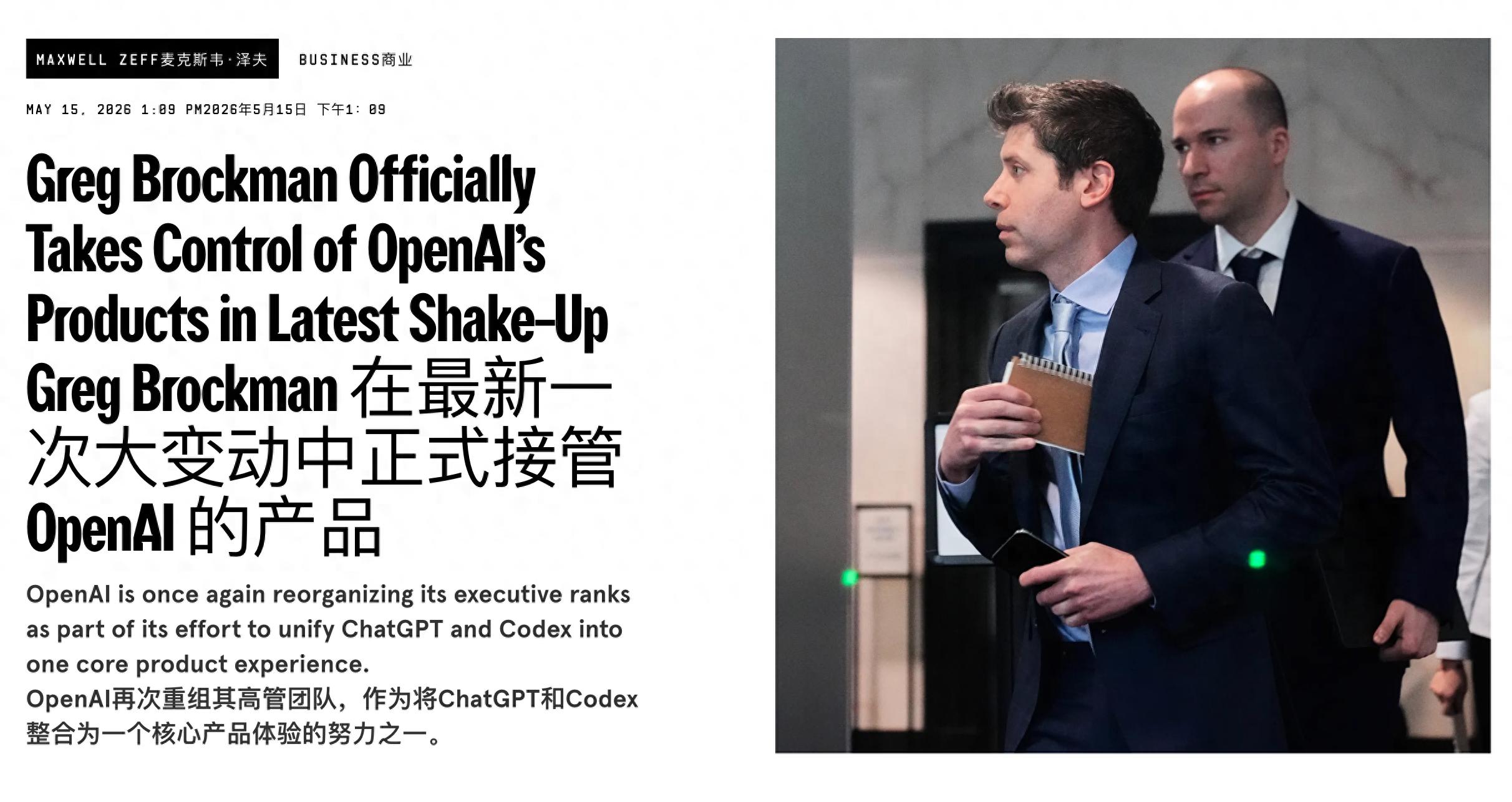
More importantly, Sottiaux is also one of the leaders behind OpenAI’s development of a “super application.” Brockman has clearly stated in an internal memo:
OpenAI has decided to merge ChatGPT and Codex into a unified experience, focusing more on the future of AI Agents.
If ChatGPT addresses the question of “asking AI,” Codex focuses on “making AI do tasks.” The former is aimed more at general users, while the latter targets developers and other professional users.
Now, OpenAI aims to merge the two, likely to encourage the over 900 million active ChatGPT users to transition from “asking AI” to “making AI do tasks,” allowing AI to handle more real-world tasks.
In the current AI competition, it’s not just about model capabilities; the key is who can become the entry point for users to handle daily tasks, as that will determine who has the opportunity to become a super application in the AI era.
Codex has the capability to perform well in this regard. On the other hand, this also means that the unified super desktop application integrating Codex, ChatGPT, and the Atlas browser is likely not far off.
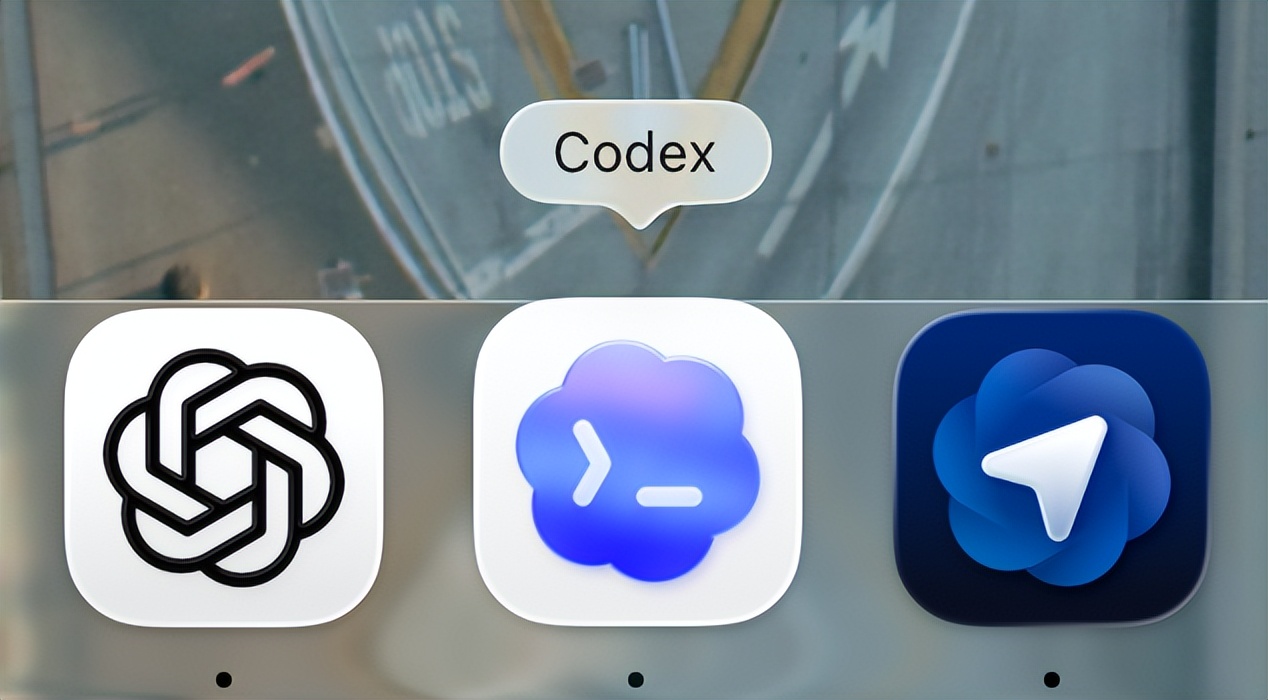
The Emergence of a Super Application from the ChatGPT and Codex Merge
The merger of ChatGPT and Codex is not unexpected. Sottiaux had previously acknowledged the existence of OpenAI’s super application. Just a few days ago, the mobile version of Codex was directly integrated into the ChatGPT app on mobile devices. Specifically, users can access Codex directly from the ChatGPT app on their phones, connecting to the desktop environment to view task progress, continue long tasks, or initiate new requests for Codex to complete.
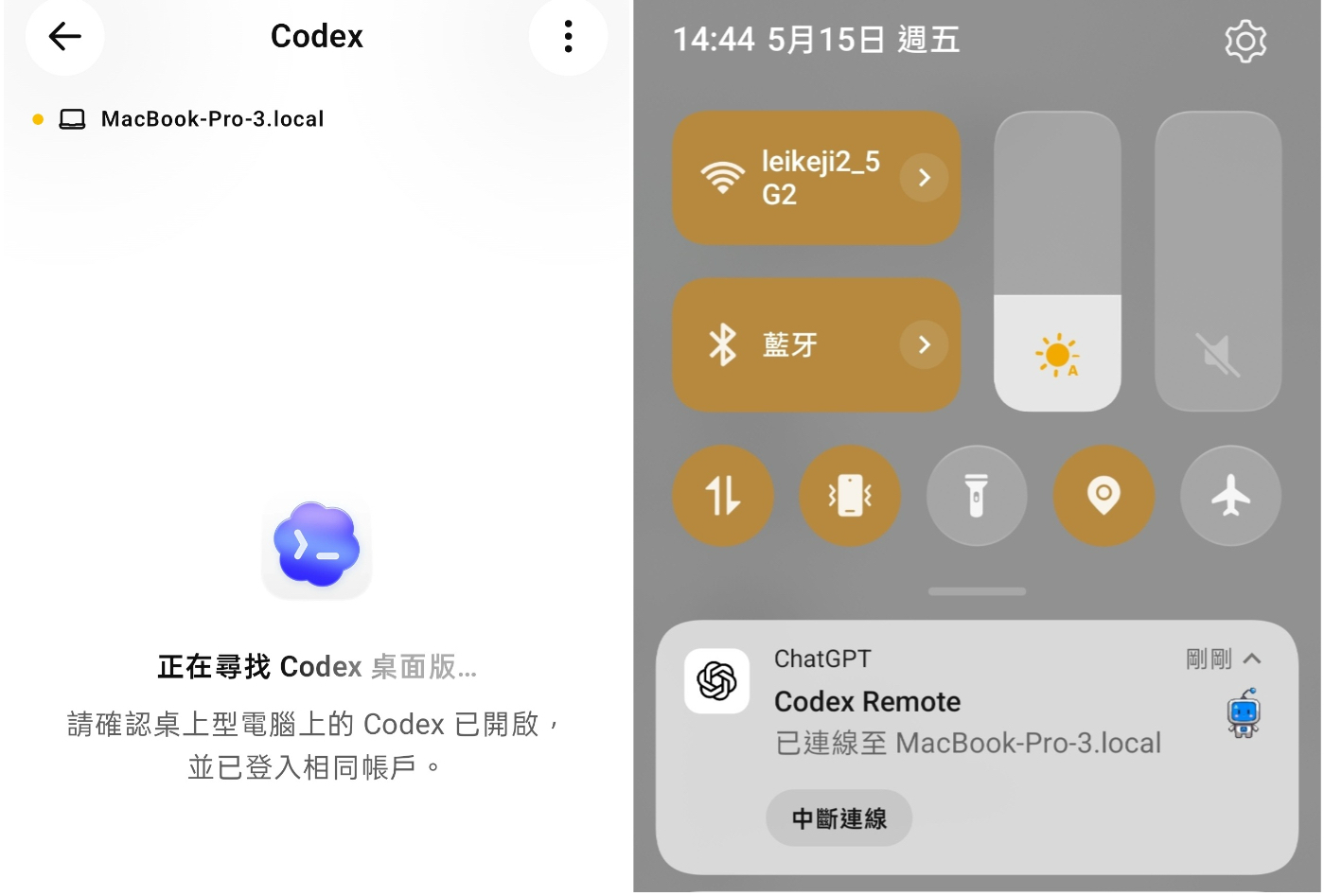
The decision not to launch a separate app is due to ChatGPT’s significant user base advantage and the mobile version of Codex being more of an extension of the desktop Codex rather than a heavy product.
This reasoning applies equally to the desktop environment. Although Codex has been very successful, its user base and reach have been more limited to developers, enthusiasts, and other professional users. Since OpenAI is determined about the future of AI Agents, simplifying user experience and lowering the barriers for more users to access and utilize Codex’s capabilities is crucial for capturing user attention early.
This is the first prototype of OpenAI’s super application, where users may only see a ChatGPT entry point, but behind it lies a cross-device, cross-task, and cross-tool execution system.
However, integrating ChatGPT and Codex is not the entirety of OpenAI’s super application; they also plan to further integrate the Atlas browser:
- ChatGPT provides the most natural entry point for human-AI interaction, as users are already accustomed to throwing questions, ideas, and tasks at it;
- Codex provides the framework for executing long tasks, especially for planning, breaking down, modifying files, and running commands;
- The Atlas browser addresses the issue of AI entering the web world, as the web remains one of the most important operational interfaces in modern work, with many tasks occurring in browsers.
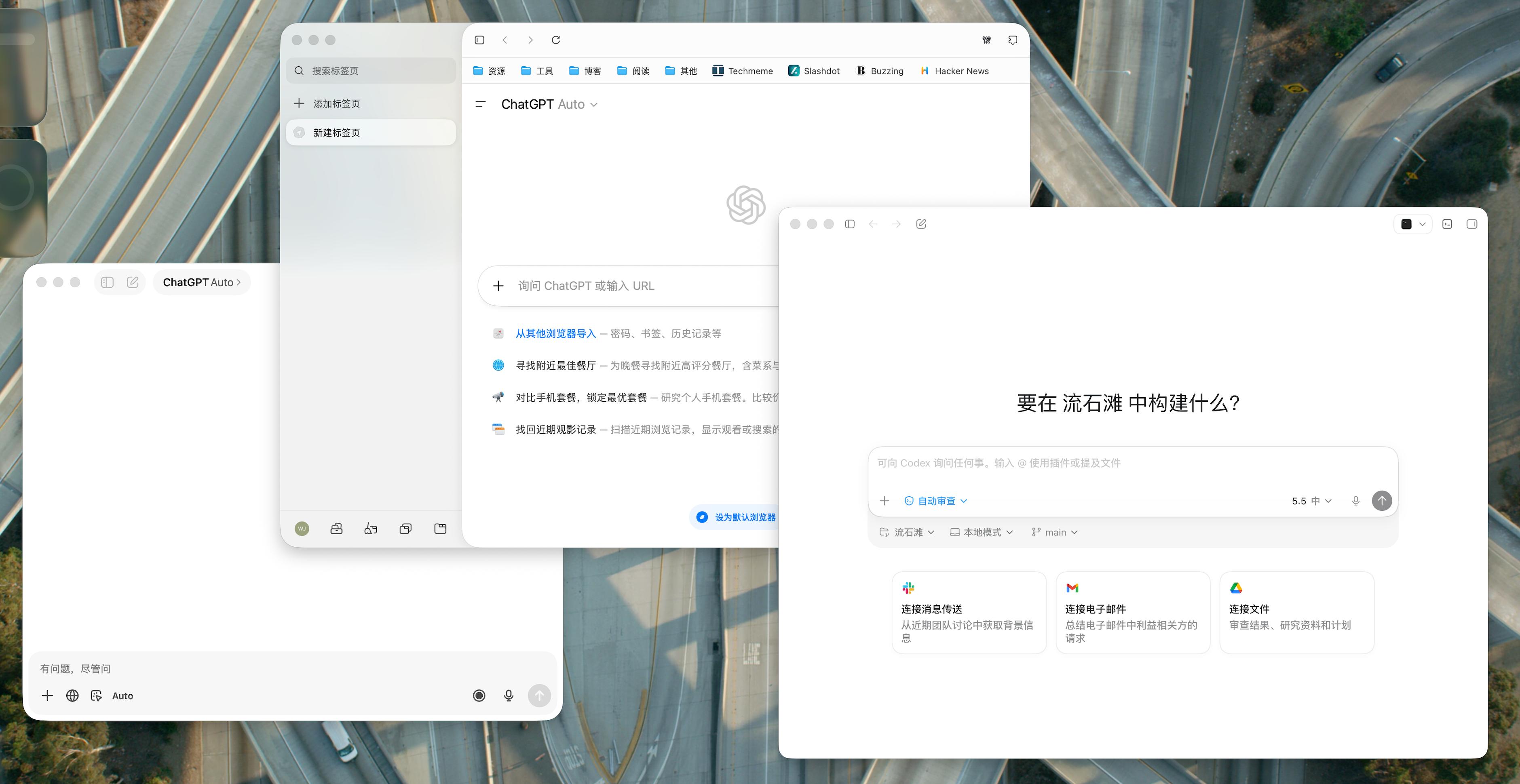
OpenAI’s super application will likely not just combine three icons into one window. A more reasonable assumption is that it will transform ChatGPT into the main entry point, expand Codex into a universal execution engine, and use Atlas as a bridge between web and local working environments.
Users input a sentence, and the system may first understand the intent in ChatGPT, then break it down into steps with Codex, hand off web-related tasks to Atlas, and handle code, data, or documents through local environments or cloud sandboxes, while enterprise systems are completed through APIs and connectors.
This explains why OpenAI has prioritized strengthening Codex. Initially appearing as a developer product, Codex has actually accumulated capabilities that are scarce in the Agent era: long-term execution, multi-step planning, context retention, permission confirmation, version rollback, and result acceptance.
Writing code is just one scenario; analyzing data, organizing files, generating reports, checking webpages, migrating content, and handling spreadsheets all fundamentally require the same autonomous agent capabilities.
From this perspective, Codex is likely the core engine of this super application.
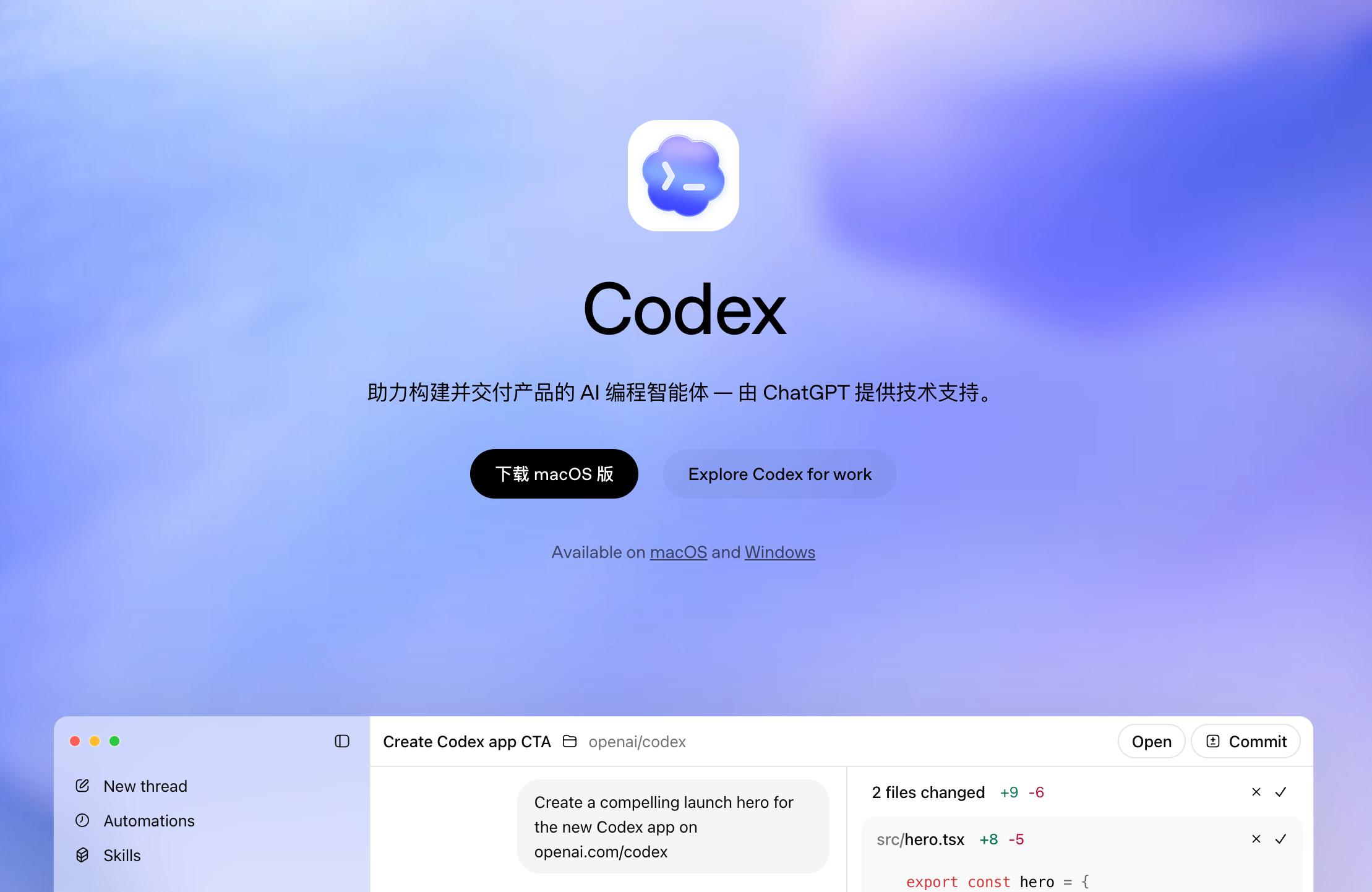
More importantly, OpenAI’s super application may not be like traditional super apps that aggregate users through payments, social interactions, and content, but rather cover most of the user’s work and knowledge scenarios. Users will open it daily to have it write code, browse the web, and complete a series of work tasks; the better the experience, the less likely users will want to leave this system.
Of course, this path is not easy. For OpenAI to create a super application, the hardest part is not cramming in features but refining the experience to the point where users are willing to rely on it long-term, a challenge that will not change in the AI Agent era.
Nevertheless, OpenAI must pursue this. Beyond the official reason of simplifying user experience, competing with Anthropic and Google in both enterprise and consumer markets is likely a key external factor, making this both a proactive consolidation and a response to competitive pressure.
The Super Application of the AI Era Will Not Be One-Size-Fits-All
OpenAI’s ambition to create a super application stems from the fact that it currently lacks a true super application. In contrast, domestic giants face different challenges, as they already possess super apps, transaction systems, payment frameworks, content platforms, office collaboration tools, and mobile ecosystems. Their AI product strategies cannot and will not simply replicate OpenAI’s path.
Alibaba is a prime example. The Qianwen app is not just the C-end entry for the Qianwen large model; it also represents Alibaba’s product strategy for an AI super application to some extent. Alibaba integrates capabilities from Taobao, Alipay, Amap, Fliggy, and Taobao Flash Purchase into Qianwen, allowing it to evolve from “answering questions” to “completing tasks.” Users can not only ask where to travel, what to buy, or how to get there, but also directly have it plan, compare, place orders, make payments, change bookings, and handle after-sales.
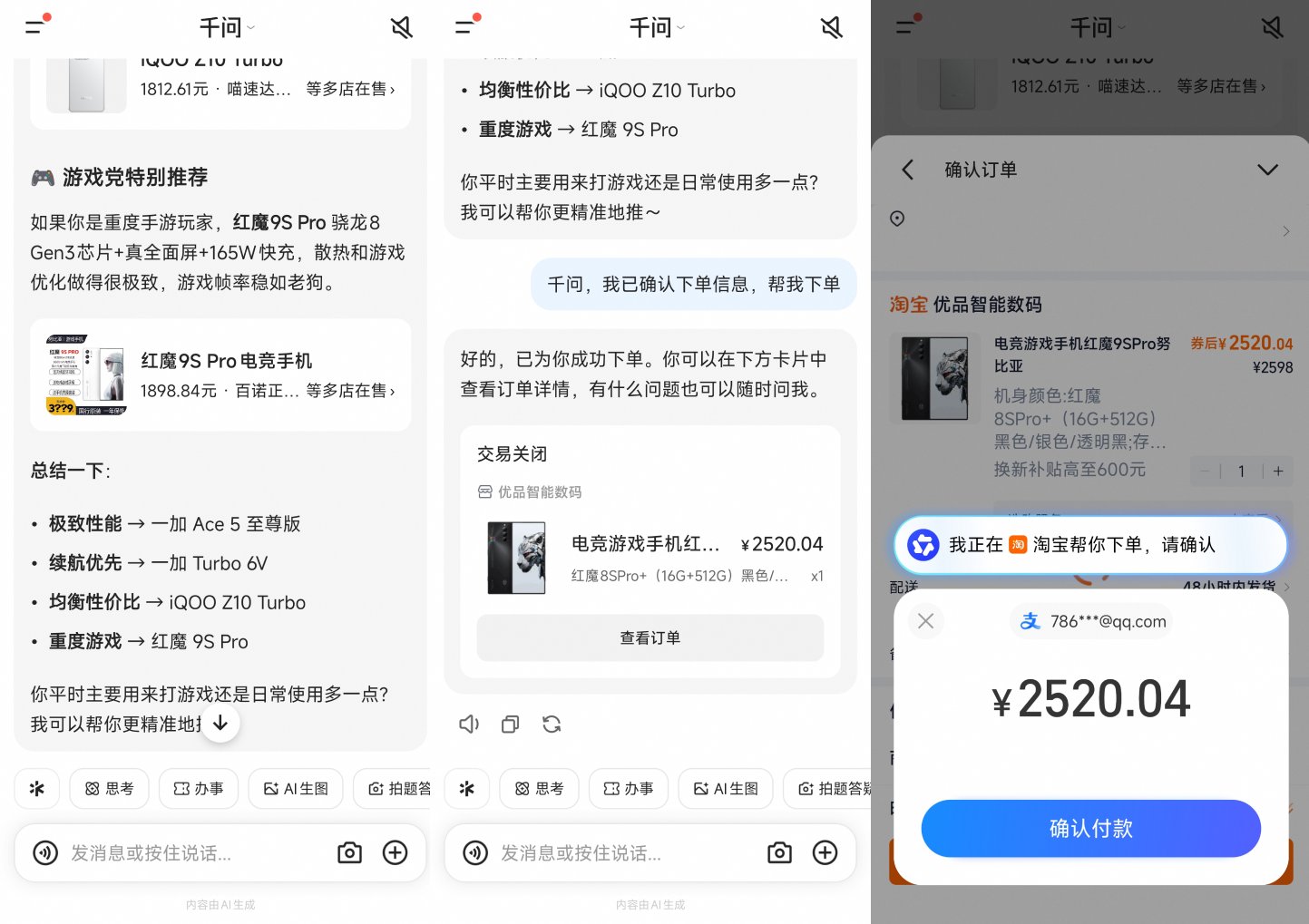
In fact, starting from connecting with various airlines to provide ticket booking services, Qianwen’s potential is not limited to Alibaba’s ecosystem. While Alibaba’s ecosystem is its strongest backend, Qianwen aims to become the primary entry point in the AI era, connecting models, tools, services, products, content, and external tasks to serve as the default starting point for users facing real-world tasks.
Tencent’s approach is different. In addition to continuing to promote Yuanbao, Tencent has launched Agent products like QClaw and WorkBuddy based on the OpenClaw product form, allowing AI Agents to appear as WeChat contacts or plugins. Users can issue commands to it within WeChat, remotely controlling their computers to complete tasks like file transfers and sending emails.
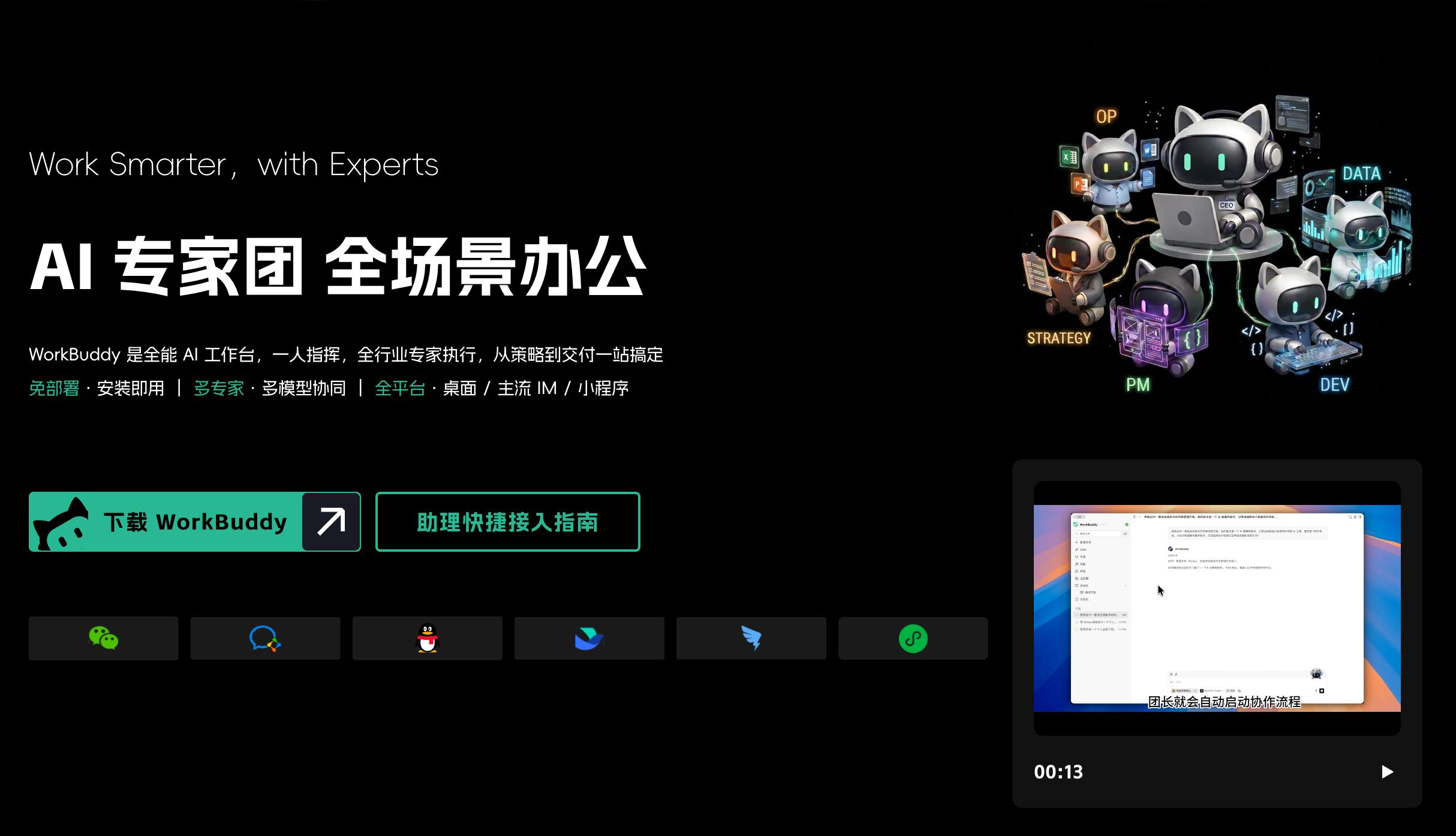
WeChat itself is the strongest digital lifestyle entry point in China, and Tencent may not even need to direct everyone to a new AI app. A more realistic approach is to let AI Agents appear within the conversational system users are already accustomed to. Users can find an AI to help them with computer tasks just like they would a colleague, friend, or file transfer assistant.
WeChat has not officially launched its Agent yet. In a recent earnings call, Tencent hinted at the existence of WeChat Agents, but we likely won’t see its launch in the short term.
ByteDance seems to be following a different path. As the largest AI application in China by user scale, Doubao has made conversation, search, voice, multi-modal, and companionship experiences light and frequent enough. Many ordinary users start using AI to ask questions, write copy, generate images, voice chat, tutor children, and summarize web pages, addressing more everyday needs. At the same time, Doubao is continuously improving shopping and payment functions, clearly aligning its product roadmap with Alibaba’s Qianwen.
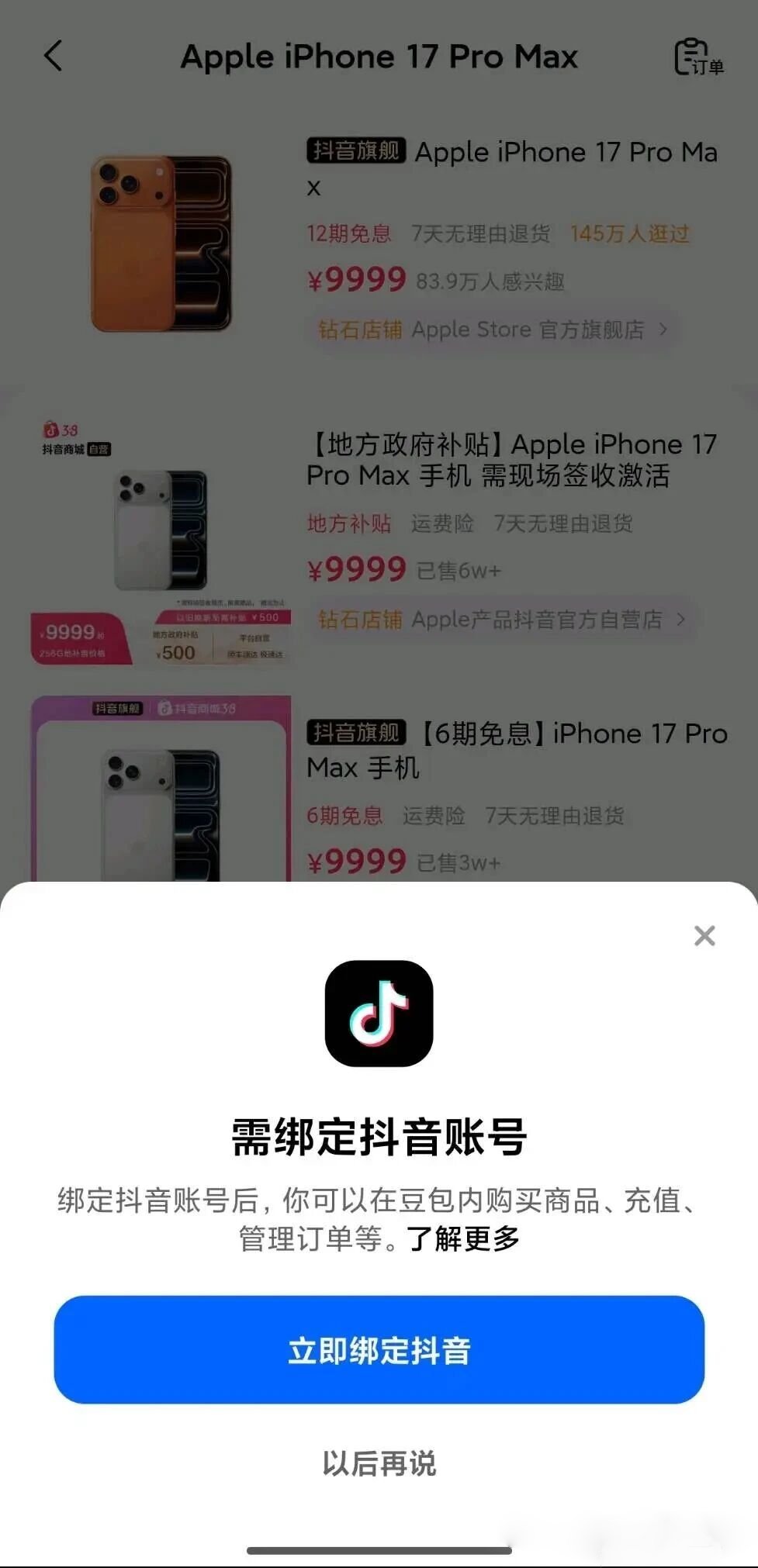
On the other hand, besides Doubao occupying the public’s AI mindset, ByteDance may also have the most comprehensive professional AI product line among domestic giants, with Meng and Jianying responsible for AI content production, Coze for Agent building, Trae for AI coding, and Volcano Engine for enterprise models and Agent commercialization.
Conclusion
Looking back three years, ChatGPT initially defined the super application envisioned in the AI era. However, the changes over the past three years have been significant, especially with the emergence of Claude Code and OpenClaw, showing us the future of AI Agents.
But how future products and human-computer interaction forms will evolve remains an open question. In this context, OpenAI’s answer is to integrate ChatGPT, Codex, and Atlas into a unified super application. Alibaba’s answer is to make Qianwen the AI entry point connecting models, services, and transactions. Tencent’s answer is to integrate Agents into super apps like WeChat. ByteDance’s answer is to occupy the public’s mind with Doubao and then cover creative, developer, and enterprise scenarios with a more complete AI product matrix.
Different paths, but the destination is very close.
Comments
Discussion is powered by Giscus (GitHub Discussions). Add
repo,repoID,category, andcategoryIDunder[params.comments.giscus]inhugo.tomlusing the values from the Giscus setup tool.